
*You Bought Smoked Trout. Now What?
- michel1492

- Jul 20
- 16 min read
Five Easy Ways to Turn It Into Dinner
The Spicekeeper's Notebook • Ingredient Wisdom
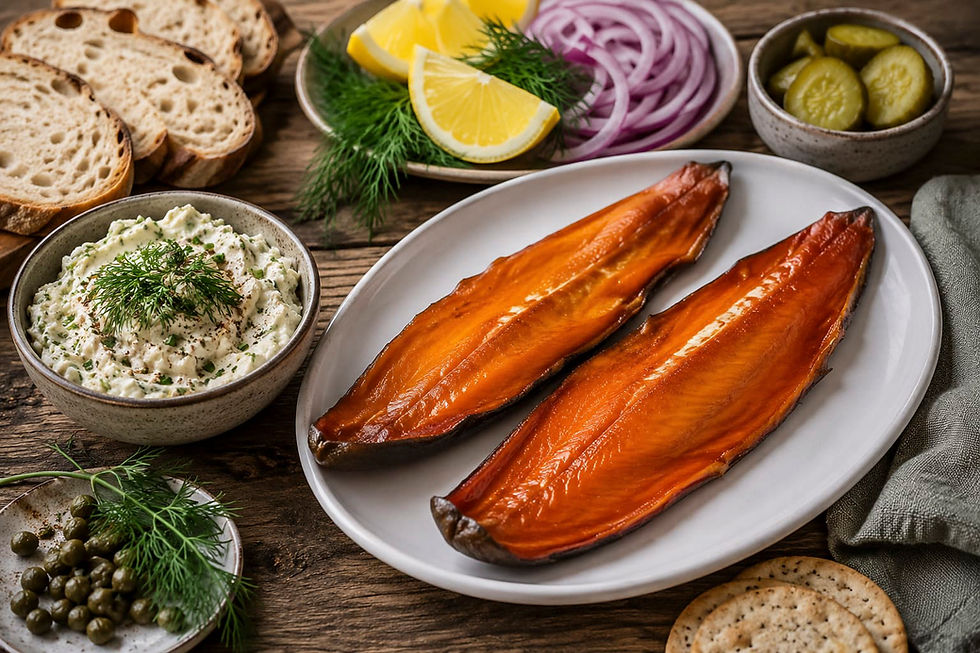
You bought smoked trout.
Maybe it caught your eye at the market. Maybe a friend recommended it. Maybe it was on sale and looked too good to pass up. Now it sits in your refrigerator, waiting patiently while you wonder what to do with it.
You're not alone.
Smoked trout is one of the most versatile ingredients you can keep on hand, yet many home cooks aren't quite sure how to use it.
That's a shame because nearly all of the work has already been done for you. The fish is fully cooked, beautifully smoky, and ready to become an elegant appetizer, a comforting pasta, a hearty breakfast, or a quick weeknight dinner in just a few minutes.
Long before refrigeration, smoke was how cooks preserved fish beyond the day it was caught. Medieval households across northern Europe hung trout, herring, eel, and salmon where gentle woodsmoke slowly cured the flesh while driving away the moisture that caused spoilage. What began as necessity eventually became preference. Smoked fish appeared on monastery tables, fast-day meals, noble feasts, and humble family suppers, often served with fresh bread, butter, herbs, onions, and whatever vegetables the season provided.
A thousand years later, smoked trout remains one of the smartest ingredients you can keep in your refrigerator. The refrigerator may have replaced the smokehouse, but good cooking still follows the same principles. Richness wants brightness. Smoke welcomes herbs. Cream softens salt. Crisp textures make every bite more satisfying.
Once you understand those ideas, smoked trout becomes remarkably easy to cook with.
Let's start there.
What Is Smoked Trout?
Smoked trout is fresh trout that has been cured with a small amount of salt before being slowly cooked over hardwood smoke. Most smoked trout sold in grocery stores is hot-smoked, meaning it has already been fully cooked during the smoking process.
Unlike raw fish, smoked trout is ready to eat straight from the package. It can be enjoyed cold in salads and appetizers or gently warmed in cooked dishes. Because it's already cooked, the goal is simply to warm it through rather than cook it again.
Its convenience is one of the reasons professional kitchens often keep smoked fish on hand. It adds rich flavor to meals with almost no preparation.
What Does Smoked Trout Taste Like?
If you've never tried smoked trout before, imagine something between grilled trout and smoked salmon.
The flesh is flaky, moist, and delicate rather than oily. The smoke is noticeable but usually gentle, allowing the fish itself to remain the star. Most varieties have a mild sweetness that pairs beautifully with herbs, butter, citrus, potatoes, eggs, cream, and fresh vegetables.
Many people who find smoked salmon too salty discover that smoked trout offers a softer, more balanced flavor.
Why Every Cook Should Keep Smoked Trout in the Refrigerator
There are very few ingredients that can become dinner in less than ten minutes while still feeling special.
Smoked trout is one of them.
Because it is already cooked, you can simply flake it into:
Creamy dips
Pasta
Grain bowls
Green salads
Omelets
Scrambled eggs
Potato hash
Toast
Risotto
Chowders
It stores well, requires almost no preparation, and delivers restaurant-quality flavor with very little effort.
The Three Flavor Partners
Over the years I've noticed that nearly every successful smoked trout recipe shares three qualities.
Brightness
Lemon juice, lemon zest, vinegar, capers, dill, parsley, and chives all cut through the richness while making the smoke feel lighter and fresher.
Cream
Butter, cream cheese, ricotta, sour cream, crème fraîche, labneh, and olive oil carry smoky flavors beautifully while softening the fish's natural saltiness.
Crunch
Because smoked trout is tender, it benefits from contrast.
Think:
Toast
Crackers
Roasted potatoes
Crostini
Crisp vegetables
Fried potatoes
Fresh cucumbers
When richness, brightness, and crunch appear together, smoked trout shines.
The Best Oak City Spice Blends for Smoked Trout
Different spice blends create entirely different personalities for smoked trout.
Blend | Why It Works |
Wilde Garlek | Garlic, herbs, and onion build classic seafood flavors. |
La Spezia | Mediterranean herbs brighten creamy sauces and pasta. |
Raleigh Rub | Adds citrusy warmth that's wonderful in trout cakes. |
Viking Salt | Smoke layered upon smoke with buttery potatoes. |
Umami Fire | Deep savory richness with gentle heat for modern dishes. |
RECIPES
Smoked Trout Dip with Wilde Garlek
Prep Time: 15 minutes
Chill Time: 1 hour (recommended)
Cook Time: 2 minutes
Total Time: 1 hour 17 minutes
Makes: About 1½ cups (6–8 appetizer servings)
Featured Blend - Oak City Spice Blends Wilde Garlek
A savory blend of garlic, onion, celery seed, herbs, and cracked black pepper that brings depth without overpowering delicate foods.
Bloom Classification - Gentle Bloom
Best Bloom Medium: Butter
Why the Bloom Works
Although this is a cold dip, blooming Wilde Garlek in butter first transforms the seasoning. Warm butter dissolves the aromatic oils from the garlic, onion, herbs, and celery seed, allowing those flavors to spread evenly throughout the cream cheese instead of remaining as tiny dried pieces. The result is a smoother, richer dip with far more flavor than simply stirring the seasoning into the dairy.
Ingredients
1 tablespoon unsalted butter (14 g)
1 teaspoon Oak City Spice Blends Wilde Garlek (2 g)
4 ounces cream cheese, softened (113 g)
¼ cup sour cream (60 mL)
4 to 6 ounces smoked trout, flaked (115 to 170 g)
1 teaspoon fresh lemon juice (5 mL)
1 teaspoon lemon zest
1 tablespoon chopped fresh dill (4 g)
Freshly ground black pepper, to taste
Method
Melt the butter in a small skillet over medium-low heat.
Add Wilde Garlek and bloom for 20 to 30 seconds, stirring constantly until fragrant.
Remove from the heat and allow the butter to cool for about 5 minutes.
In a mixing bowl, combine the cream cheese and sour cream until smooth.
Stir in the bloomed butter mixture.
Fold in the smoked trout, lemon juice, lemon zest, and dill.
Season with black pepper if desired.
Cover and refrigerate for at least 1 hour before serving to allow the flavors to develop.
Best With
Toasted baguette slices
Rye crackers
Fresh cucumber rounds
Celery sticks
Radishes
Bagel chips
Warm pita wedges
Blooming Notes
Cold foods often hide the full flavor of dried seasonings. Blooming first ensures every bite carries the same rich, savory flavor from beginning to end.
From the Spicekeeper's Journal
Long before cream cheese found its way into home kitchens, smoked trout was often served simply with fresh bread, butter, herbs, and a squeeze of something bright when available. Medieval cooks understood that preserved fish needed very little embellishment. This dip follows that same philosophy, transforming a handful of humble ingredients into something worthy of gathering friends around the table.
Raleigh Rub Smoked Trout Cakes - Serves 2
Prep Time: 15 minutes
Cook Time: 10 minutes
Total Time: 25 minutes (or 45 minutes if you include the chilling time)
Servings: 4
Featured Blend Oak City Spice Blends Raleigh Rub
Bright herbs, savory spices, and citrus-friendly flavors make this blend an excellent partner for smoked fish.
Bloom Classification - Gentel Bloom
Best Bloom Medium: Butter and olive oil
Why the Bloom Works
Unlike the dip, the seasoning blooms naturally as the trout cakes brown in the skillet. Butter develops the aromatic herbs while the olive oil prevents scorching, creating a crisp, flavorful crust.
Ingredients
8 ounces smoked trout, flaked (225 g)
1 large egg
⅓ cup plain breadcrumbs (35 g)
2 tablespoons mayonnaise (30 mL)
1½ teaspoons Oak City Spice Blends Raleigh Rub (3 g)
1 teaspoon Dijon mustard (5 mL)
1 tablespoon chopped parsley (4 g)
1 tablespoon butter (14 g)
1 tablespoon olive oil (15 mL)
Lemon-Raleigh Aioli
¼ cup mayonnaise (60 mL)
1 teaspoon lemon juice (5 mL)
½ teaspoon Oak City Spice Blends Raleigh Rub (1 g)
Method
Combine the trout, egg, breadcrumbs, mayonnaise, mustard, parsley, and Raleigh Rub.
Form into four equal patties.
Refrigerate for 20 minutes to help them hold together.
Heat the butter and olive oil over medium heat.
Cook each trout cake for 3 to 4 minutes per side until golden brown.
Stir together the aioli ingredients and serve alongside.
Best With
Roasted asparagus
Lemon potatoes
Mixed greens
Coleslaw
Grilled corn
Pickled onions
Blooming Notes
The secret isn't flipping too early. Give the trout cakes time to develop a crust before turning them. That golden exterior holds everything together.
From the Spicekeeper's Journal
While potatoes hadn't yet become common across medieval Europe, cooks frequently turned leftover smoked fish into small patties bound with bread, herbs, and eggs. Nothing was wasted. Today's trout cakes follow that same spirit, using simple ingredients to give preserved fish a second life at the table.
Umami Fire Smoked Trout Toast - Serves 2
Prep Time: 10 minutes
Cook Time: 5 minutes
Total Time: 15 minutes
Servings: 2
Sometimes the simplest meals leave the strongest impression. This open-faced toast has become one of my favorite ways to introduce someone to smoked trout because every ingredient has a purpose. Creamy ricotta softens the smoke, the trout provides richness, and Umami Fire brings layers of savory depth with just enough warmth to keep you reaching for another bite.
Whether you're serving brunch, a light lunch, or appetizers for friends, this is the sort of recipe that feels far more elegant than the effort required to make it.
Featured Blend - Oak City Spice Blends Umami Fire
A bold blend of ginger, orange peel, Sichuan pepper, toasted sesame, poppy seeds, nori, and red pepper flakes that layers savory depth, gentle citrus, and subtle warmth without overwhelming delicate foods.
Bloom Classification - No Bloom (Finishing Seasoning)
Best Medium: Extra Virgin Olive Oil
Why the Bloom Works
Not every seasoning benefits from traditional blooming. Umami Fire contains toasted sesame seeds, nori, orange peel, and delicate aromatics that are best preserved rather than cooked. A light drizzle of olive oil carries those flavors across the toast while allowing the blend's texture and aroma to remain fresh and vibrant.
Ingredients
2 thick slices sourdough bread
½ cup whole milk ricotta or labneh (120 g)
6 ounces smoked trout, flaked (170 g)
1 to 2 teaspoons Oak City Spice Blends Umami Fire
2 teaspoons extra virgin olive oil (10 mL)
1 teaspoon fresh lemon zest
Fresh chives, thinly sliced
Freshly ground black pepper, to taste
Method
Toast the bread until crisp on the outside while remaining tender in the center.
Spread each slice generously with ricotta or labneh.
Divide the smoked trout evenly between the slices.
Sprinkle Umami Fire evenly over the trout.
Drizzle lightly with olive oil.
Finish with lemon zest, fresh chives, and black pepper.
Serve immediately while the toast is still warm and crisp.
Best With
Tomato soup
Mixed green salad
Pickled vegetables
Fresh fruit
Soft-boiled eggs
Sparkling water with lemon
Blooming Notes
Some spice blends belong in the pan. Others belong on the plate. Umami Fire was designed to finish a dish, allowing its toasted sesame, citrus, and nori to remain bright and aromatic. Think of it as the final brushstroke rather than the foundation.
From the Spicekeeper's Journal
For centuries, smoked fish traveled with merchants because it could survive long journeys without spoiling. Good bread traveled almost as well. Together they formed one of history's simplest meals, proving that thoughtful ingredients have always mattered more than complicated recipes.
La Spezia Creamy Smoked Trout Pasta - Serves 4
Prep Time: 10 minutes
Cook Time: 15 minutes
Total Time: 25 minutes
Servings: 4
Italian cooking has always understood restraint. A few well-chosen ingredients, treated gently, often produce the most satisfying meals. This pasta follows that philosophy. The trout is already cooked, so it isn't really an ingredient to be cooked at all. Instead, it is folded into the warm sauce at the very end, where it stays moist, flaky, and beautifully tender.
La Spezia brings together Mediterranean herbs that quietly support the trout instead of competing with it, while lemon zest and sweet peas add freshness to every bite.
Featured Blend - Oak City Spice Blends La Spezia
A fragrant blend of basil, oregano, rosemary, marjoram, and thyme inspired by the herb gardens of the Italian countryside.
Bloom Classification - Medium Bloom
Best Bloom Medium: Butter or Olive Oil
Why the Bloom Works
Mediterranean herbs contain aromatic oils that dissolve readily into warm butter or olive oil. Blooming La Spezia for just a few moments allows those flavors to perfume the sauce before the cream is added, creating a balanced herbal foundation that complements the trout instead of masking it.
Ingredients
8 ounces pasta, such as shells or casarecce (225 g)
1 tablespoon butter or olive oil (15 mL)
1 teaspoon Oak City Spice Blends La Spezia
½ cup heavy cream (120 mL)
¼ cup reserved pasta water (60 mL)
1 cup frozen peas (140 g)
Zest of 1 lemon
6 ounces smoked trout, flaked (170 g)
Freshly ground black pepper
Fresh Parmesan cheese, grated
Method
Bring a large pot of salted water to a boil and cook the pasta until al dente. Reserve ¼ cup of the pasta water before draining.
While the pasta cooks, warm the butter or olive oil in a large skillet over medium-low heat.
Add La Spezia and bloom for 20 to 30 seconds, stirring constantly until fragrant.
Stir in the cream and reserved pasta water. Add the peas and cook just until heated through.
Toss the drained pasta into the sauce.
Remove the skillet from the heat and gently fold in the smoked trout and lemon zest.
Finish with black pepper and freshly grated Parmesan.
Best With
Garlic bread
Roasted asparagus
Green salad with lemon vinaigrette
Sparkling water
Fresh basil
Blooming Notes
The biggest mistake people make is overheating smoked trout. Once it joins the pasta, your job is simply to warm it. Gentle heat preserves both its texture and its delicate smoky flavor.
From the Spicekeeper's Journal
Medieval cooks rarely combined fish with cream in quite this way, but they understood the same principle: preserved fish should be treated gently. Whether folded into pottages, served beside fresh herbs, or paired with butter and bread, the goal was always to preserve what careful smoking had already accomplished.
Viking Salt Potato & Smoked Trout Hash - Serves 4
Prep Time: 15 minutes
Cook Time: 25 minutes
Total Time: 40 minutes
Servings: 4
Some recipes feel modern even though they've been with us for centuries.
This is one of them.
Long before potatoes reached Europe, northern cooks paired smoked fish with hearty grains, onions, butter, and whatever root vegetables could survive the winter. The principle hasn't changed. A humble starch, a preserved fish, and careful seasoning still make one of the most satisfying meals you'll ever put on the table.
Today, potatoes step into the role beautifully. Their creamy interior balances the richness of smoked trout, while a crisp golden crust provides the texture every great hash deserves. Viking Salt finishes the dish with gentle smoke, black pepper, onion, and turmeric, echoing the flavors that have traveled through Nordic kitchens for generations.
Top everything with a fried egg and let the yolk become the sauce. It's comfort food with a story to tell.
Featured Blend - Oak City Spice Blends Viking Salt
A distinctive blend of hickory- and cherry-smoked sea salt, black pepper, onion, and turmeric that brings layered smoky flavor without overpowering the ingredients beneath it.
Bloom Classification - Gentle Bloom
Best Bloom Medium: Butter
Why the Bloom Works
Butter carries the smoky aromatics of Viking Salt into every corner of the skillet. As the potatoes brown, they absorb those flavors while developing a crisp crust. Adding a small finishing sprinkle after cooking preserves the brighter notes of the smoked salt, creating layers of flavor instead of a single burst of seasoning.
Ingredients
2 tablespoons unsalted butter (28 g), divided
1 tablespoon olive oil (15 mL)
1 pound Yukon Gold potatoes, diced into ½-inch cubes (450 g)
1 small yellow onion, diced (150 g)
1 teaspoon Oak City Spice Blends Viking Salt, plus more to taste (2 g)
6 ounces smoked trout, flaked into large pieces (170 g)
4 large eggs
2 tablespoons chopped fresh chives (6 g)
1 teaspoon chopped fresh dill (1 g)
Freshly ground black pepper, to taste
Lemon wedges, for serving
Method
Place the diced potatoes in a saucepan, cover with cold water, and bring to a boil. Cook for 5 to 6 minutes until just beginning to soften. Drain well and allow them to steam dry for a few minutes.
Heat 1 tablespoon of butter and the olive oil in a large cast-iron skillet over medium heat.
Add the potatoes and onion. Sprinkle with Viking Salt and cook for 12 to 15 minutes, stirring only occasionally, until the potatoes are deeply golden and crisp.
Gently fold in the smoked trout and cook for 1 to 2 minutes, just long enough to warm the fish.
In a separate skillet, fry the eggs to your preferred doneness using the remaining tablespoon of butter.
Divide the hash among four plates. Top each serving with a fried egg, fresh chives, dill, a light finishing sprinkle of Viking Salt if desired, and a squeeze of fresh lemon.
Best With
Buttered rye toast
Pickled red onions
Roasted asparagus
Sautéed spinach
Crisp cucumber salad
Stewed apples
Strong coffee for breakfast or a crisp lager for supper
Blooming Notes
Great hash isn't made by constant stirring. Give the potatoes time to sit undisturbed so they can develop a beautifully browned crust. Every time you stir, you're asking them to start over. Patience is one of the most valuable ingredients in the skillet.
From the Spicekeeper's Journal
The Vikings themselves never knew potatoes, but they knew preserved fish, smoked salt, butter, onions, and hearty meals that could sustain long days of work and travel. This recipe isn't a recreation of a Viking dish. It's a tribute to the same practical wisdom: build a meal from simple ingredients, season thoughtfully, waste nothing, and let honest flavors speak for themselves.
Buying Smoked Trout
If you've never purchased smoked trout before, the selection can seem surprisingly varied. Fortunately, choosing a good package is much easier once you know what to look for.
Hot-Smoked vs. Cold-Smoked
Most smoked trout sold in American grocery stores is hot-smoked, meaning it has been fully cooked during the smoking process. The flesh is flaky, firm, and ready to eat straight from the package.
Cold-smoked trout is much less common. It has a silky texture similar to smoked salmon and is cured rather than fully cooked. Unless a recipe specifically calls for cold-smoked trout, hot-smoked is usually the better choice for the dishes in this article.
Skin-On or Skinless?
Both are excellent.
Skin-on fillets often have a little more flavor and moisture. If the skin is left on, it peels away easily before flaking the fish.
Boneless or Pin Bones?
Most quality producers remove the larger bones, but it's always worth taking a quick look while flaking the fish. Any remaining pin bones are easy to remove.
Where to Buy
Look in:
Seafood departments
Refrigerated specialty foods
Local smokehouses
Farmers markets
Gourmet food shops
Whenever possible, support local smokehouses. Freshly smoked trout often has a cleaner, more delicate flavor than mass-produced products.
Common Mistakes When Cooking with Smoked Trout
Smoked trout is forgiving, but avoiding a few common mistakes will make every recipe better.
Overheating the Fish
Remember that smoked trout is already cooked. Fold it into hot dishes at the very end and allow the residual heat to warm it gently.
Adding Salt Too Soon
Smoked trout has already been lightly cured. Taste the finished dish before adding additional salt.
Forgetting Something Bright
Lemon juice, fresh herbs, capers, or a splash of vinegar help balance the richness of the fish.
Ignoring Texture
Creamy fish loves crunchy companions. Toast, roasted potatoes, crisp vegetables, or crackers provide welcome contrast.
Overcomplicating the Dish
Smoked trout doesn't need twenty ingredients. A few thoughtful additions often produce the best meals.
Keeping the Keeper's Fish
Unopened vacuum-sealed smoked trout generally keeps for two to three weeks in the refrigerator. Always follow the manufacturer's use-by date.
Once opened, wrap the fish tightly and enjoy it within three to four days.
Smoked trout also freezes well for up to two months. While freezing slightly softens the texture, it remains excellent for dips, chowders, pasta, and fish cakes.
Because the fish is already cooked, reheating should always be gentle. Think of warming rather than cooking.
Frequently Asked Questions
Is smoked trout already cooked?
Usually, yes. Most smoked trout sold in grocery stores has been hot-smoked and is fully cooked.
Can you eat smoked trout cold?
Absolutely. It's wonderful on salads, crackers, bagels, and sandwiches.
Can you freeze smoked trout?
Yes. Wrap it well and freeze for up to two months.
Does smoked trout have bones?
Most packages are nearly boneless, but check for the occasional pin bone while flaking.
Is smoked trout healthy?
Smoked trout is an excellent source of protein and naturally contains omega-3 fatty acids, vitamin D, and several B vitamins.
Can I substitute smoked salmon?
Certainly. The recipes work beautifully with smoked salmon, though the flavor will be slightly richer and saltier.
Continue Your Flavor Journey
If you enjoyed this guide, you may also enjoy:
Recommended Reading
The ideas in this article have been shaped by many thoughtful cooks, food historians, and culinary scientists over the years. If you'd like to explore smoked trout, seafood, and flavor more deeply, these are the books I recommend most highly.
Culinary History & Tradition
These books explore the people, traditions, and history behind preserved fish and the enduring role it has played on tables around the world.
European Peasant Cookery — Elisabeth Luard
ISBN: 978-1904943365
A beautiful exploration of traditional rural cooking across Europe, celebrating simple ingredients and timeless techniques.
Cod: A Biography of the Fish That Changed the World — Mark Kurlansky
ISBN: 978-0140275018
A fascinating look at how one preserved fish helped shape commerce, exploration, and world history.
Fish & Seafood
These books provide practical techniques, thoughtful recipes, and a deeper appreciation for cooking with fish.
Fish Cookery — Jane Grigson
ISBN: 978-0140462166
A classic reference from one of Britain's most respected food writers, filled with practical wisdom and elegant simplicity.
North Atlantic Seafood — Alan Davidson
ISBN: 978-0140468151
An authoritative guide to the fish and shellfish of the North Atlantic, blending culinary knowledge with history and natural science.
Food Science
Understanding why ingredients behave the way they do can make every cook more confident in the kitchen.
On Food and Cooking: The Science and Lore of the Kitchen (2nd Edition) — Harold McGee
ISBN: 978-0684800011
The definitive reference on the science behind cooking, ingredients, and flavor development.
Regional Inspiration
These books explore the regional traditions that continue to influence the way I think about ingredients, seasoning, and the stories food tells.
The Food of Italy — Claudia Roden
ISBN: 978-1409015499
A rich journey through Italy's regional cuisines, emphasizing restraint, seasonality, and respect for ingredients.
A Dictionary of Japanese Food — Richard Hosking
ISBN: 978-4805313350
An excellent reference for understanding Japanese ingredients and culinary traditions, including techniques that complement smoked fish and preserved seafood.
These books have influenced the way I think about food, flavor, and history. While the recipes in this article are original to Oak City Spice Blends, they reflect the wisdom of generations of cooks who understood that great meals begin with good ingredients, thoughtful technique, and a willingness to keep learning.
Food Safety
Nutrition
History
A Final Thought from The Spicekeeper
Smoke was never the destination.
It was the beginning.
For thousands of years, cooks smoked fish because they had to. Rivers froze. Markets were distant. Winter was long. A carefully smoked trout meant there would still be supper tomorrow.
But something remarkable happened.
People discovered they loved the flavor.
Even after refrigeration replaced the smokehouse, smoked trout never disappeared from our tables because it had become more than practical. It had become comforting.
That may be my favorite lesson in all of cooking.
Many of our best foods were never created to impress anyone. They were born from ordinary people solving ordinary problems with patience, skill, and a deep respect for good ingredients.
A loaf of bread.
A crock of butter.
A wedge of cheese.
A smoked fish.
Simple things, prepared well, have sustained families for centuries.
So the next time you find smoked trout waiting in your refrigerator, don't save it for a special occasion.
Make Wednesday a little better.
I think the old cooks would smile at that.
— The Spicekeeper


Comments